2026-10-08 · Robert "Bob" Johnson
Detecting Underground Leaks in Clay Soil Around The Colony
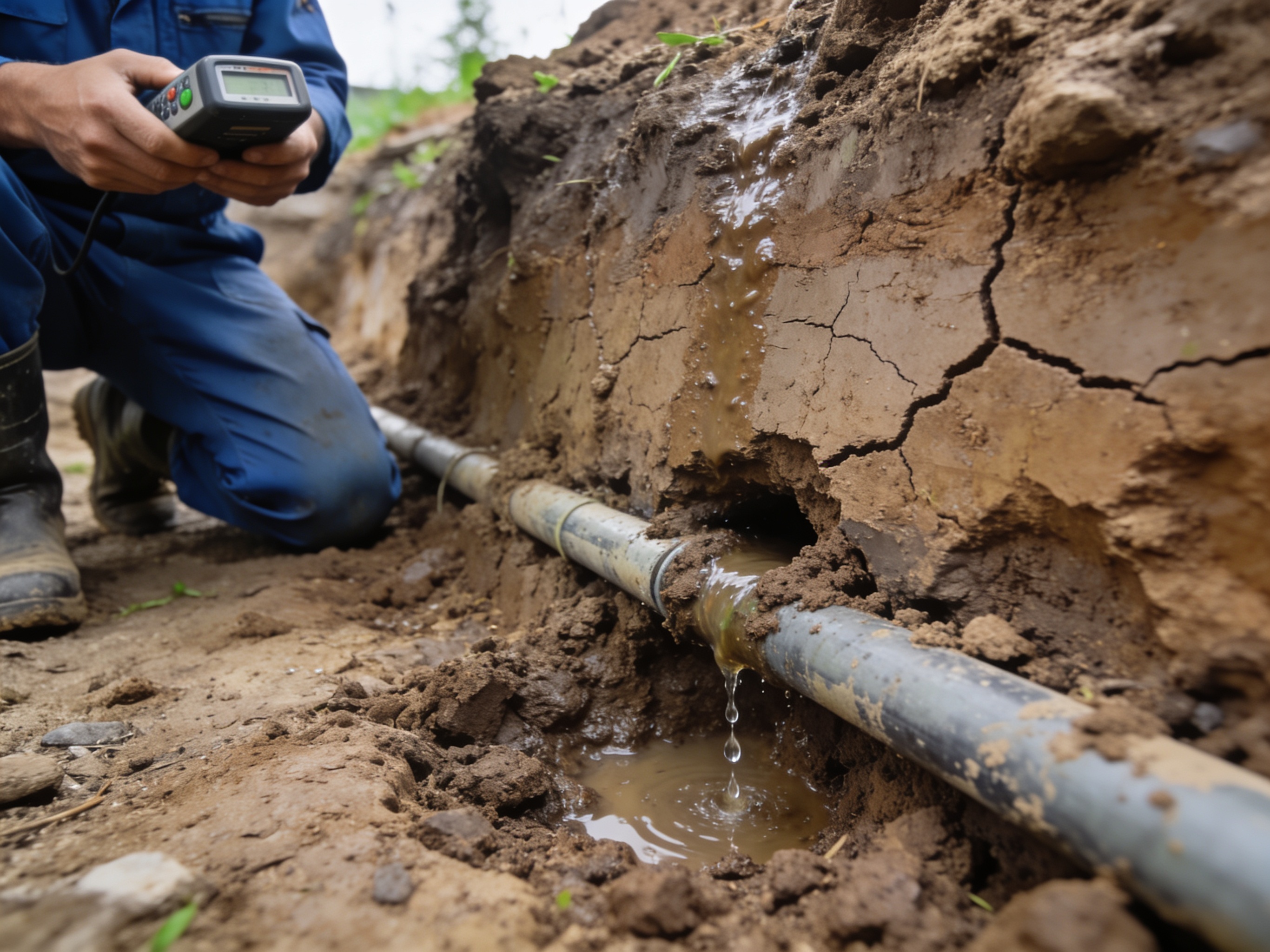
Detecting underground leaks in the clay soil common around The Colony requires a keen eye for subtle signs and an understanding of how our local conditions affect water movement. Unlike sandy soils that allow water to quickly dissipate, the dense clay found in areas like The Tribute, Stewart Peninsula, and Austin Ranch tends to hold water, making leaks less obvious on the surface until they become significant. Homeowners often first notice a leak through an unexplained spike in their water bill, a consistently running water meter when no water is being used, or localized areas of unusually lush grass or pooling water, even without recent rain. The key is to recognize these early indicators before a small drip turns into a major problem, potentially undermining foundations or causing extensive landscape damage.
Understanding The Colony's Clay Soil
The soil composition across Denton County, particularly in The Colony and neighboring cities like Lewisville and Frisco, is predominantly heavy clay. This soil type has a high plasticity index, meaning it expands significantly when wet and contracts when dry. This constant expansion and contraction, especially during our hot, humid summers and occasional mild winters, puts considerable stress on underground pipes. When a water line leaks, the surrounding clay soil absorbs the water, often preventing it from surfacing directly above the leak point. Instead, water can travel laterally along the path of least resistance, sometimes surfacing many feet away from the actual break, or even seeping towards a home's foundation. This characteristic makes pinpointing the exact location of a <a href="/services/water-line-leak">water line leak</a> particularly challenging without specialized equipment.
Common Signs of an Underground Leak in Clay Soil
Because clay soil retains water so effectively, the signs of an underground leak can be delayed or manifest differently than in other soil types. It’s important for homeowners in The Colony to be vigilant for these specific indicators:
- Unexplained High Water Bill: This is often the first and most reliable sign. If your water usage habits haven't changed but your bill has significantly increased, it's a strong indicator of a leak. Even a small leak can waste hundreds of gallons a day.
- Constantly Running Water Meter: If your water meter continues to spin even when all water-using appliances and faucets are off, you likely have a leak somewhere in your system. This is a direct sign that water is escaping. For more on this, see our page on <a href="/services/water-meter-running-with-no-water-use">Water Meter Running With No Water Use</a>.
- Unusually Lush or Soggy Spots in the Yard: While water may not immediately pool, a section of your lawn that remains greener, grows faster, or feels perpetually damp compared to the rest of the yard can signal an underground leak. This is especially noticeable during dry spells.
- Sudden Drops in Water Pressure: A significant underground leak can reduce the overall water pressure in your home. If you notice showers are weaker or faucets take longer to fill a glass, it could be due to water escaping before it reaches your home.
- Foundation Cracks or Shifting: In severe cases, prolonged leaks can saturate the clay soil around your home's foundation, leading to soil expansion and potential structural damage. This is a serious concern, particularly for homes in areas like Austin Ranch where soil movement can already be a factor.
Specialized Detection Methods for Clay Soil
Given the challenges posed by clay soil, specialized techniques are often required for accurate leak detection. Relying solely on visual cues can be misleading. Professional <a href="/services/water-line-leak-detection">water line leak detection</a> services employ tools that can 'see' or 'hear' what's happening underground: